Every summer, as your energy bills climb higher and your air conditioning works overtime, there’s a powerful natural solution growing outside your window—if you’ve planned for it correctly. Shade tree planting is one of the most cost-effective investments a tree service Kitchener and homeowner can make. Properly placed trees can reduce cooling costs by about 25-30% while adding thousands of dollars to your property value, supporting Kitchener’s ambitious goals to increase urban canopy coverage to 30% by 2050. The choices you make—from species to placement to care—determine whether your trees become long-term energy savers or costly maintenance challenges.
The Science Behind Shade Trees and Energy Savings
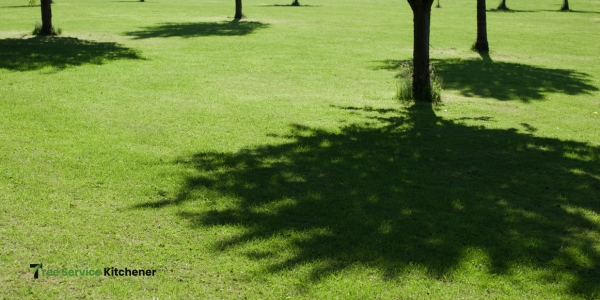
Trees do more than block sunlight. They create cooler microclimates by lowering ambient temperatures 2-5°C through shading and evapotranspiration—the process where trees release water vapor to cool the air, much like natural air conditioners. Mature shade trees can intercept up to 95% of solar radiation on your home’s roof, walls, and windows, dramatically cutting indoor heat gain and reducing air conditioner runtime.
Scientific studies confirm that strategically placed shade trees can reduce home cooling costs by up to 30%, providing a significant environmental and financial benefit (U.S. Department of Energy)
Additionally, trees influence wind patterns, serving as windbreaks in winter to reduce cold air infiltration and heating costs. Their canopies also stabilize temperatures by absorbing heat during the day and releasing less heat at night, reducing thermal stress on your home’s structure and promoting indoor temperature consistency.
Choosing the Right Trees for Kitchener’s Climate
Kitchener’s zone 5b climate—with cold winters, warm summers, and occasional drought spells—requires selecting hardy, native species adapted to local conditions for long-term success and energy benefits.
- Sugar Maple (Acer saccharum): A native giant with dense summer foliage, providing excellent shade and beautiful fall color. Its timing of leaf-out allows solar heating in cold months and cooling when needed.
- Red Oak (Quercus rubra): Known for longevity and drought resistance, with broad canopies ideal for sustained shade and wind protection.
- American Basswood (Tilia americana): Fast-growing with large leaves for dense canopy and summer flower benefits to local pollinators.
- Eastern White Pine (Pinus strobus): Evergreen windbreak specialist helping reduce winter heating costs, while offering year-round privacy.
- Freeman Maple (Acer × freemanii ‘Autumn Blaze’): A hybrid option for urban settings, providing rapid growth and manageable size for limited spaces.
Climate-Resilient and Drought-Tolerant Options
Other recommended species thriving in Kitchener’s growing conditions include Hackberry, Ginkgo, Honey Locust, and Silver Maple—known for drought tolerance, pest resistance, and suitable sizes for urban properties.
Strategic Tree Placement for Maximum Energy Savings
The location of your trees relative to your home directly impacts their energy-saving capacity:
- South and Southwest Planting: Shade peaks during 10 AM–4 PM summer hours, blocking intense solar radiation on walls and roofs, cooling you effectively during hot months.
- East Placement: Blocks morning sun, aiding comfort in east-facing rooms like bedrooms.
- West Placement: Critical for blocking harsh afternoon sunlight, reducing peak cooling loads.
- Windbreaks: Plant evergreens on the north and northwest sides to reduce winter wind chill and heat loss.
Spacing is equally crucial: plant large shade trees approximately half their mature canopy width from your home’s foundation to allow for root growth and avoid conflicts with structures or power lines. For example, a Sugar Maple with an 18-meter canopy spread should be planted about 9 meters from your home.
Professional Tree Planting Techniques to Maximize Growth and Savings
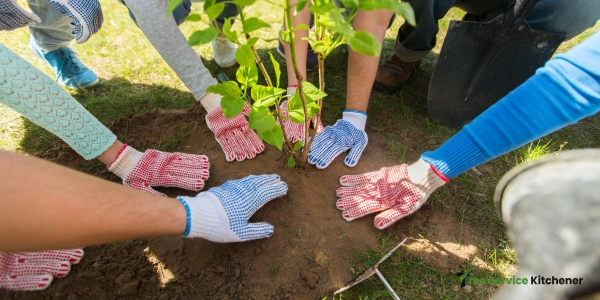
- Soil Analysis: Understanding pH, drainage, and nutrient levels allows targeted amendments, crucial in Kitchener’s clay-heavy soils for healthier roots and faster growth.
- Planting Depth: Ensure the root flare remains visible at soil level; plant neither too deep nor too shallow to prevent root rot or stress.
- Site Preparation: Create an ample planting hole 2-3 times wider than the root ball and amend soil with compost.
- Watering and Mulching: Deep watering encourages roots to establish downward. Mulching conserves moisture and protects trunks from mechanical damage.
- Timing: Fall planting (September–October) is preferred for root establishment in cool, moist soils. Spring planting suits container-grown trees but requires careful watering.
Ongoing Maintenance for Long-Term Benefits
- Establishment Phase (Years 1–3): Regular watering, fertilization, and protection from pests and physical damage are vital.
- Structural Pruning (Years 3–10): Professional pruning improves canopy structure for maximum shade efficiency and reduces risks.
- Mature Tree Care: Routine inspections by certified arborists catch hazards early, with maintenance to sustain shade coverage and tree health.
- Seasonal Care: Winter protection for young or sensitive species, summer drought management, and fall cleanups prepare trees for annual growth cycles.
The Economic Impact of Energy-Saving Trees in Kitchener
Strategically planted trees can reduce summer air conditioning costs by $200-$500 annually for a typical Kitchener home, with benefits increasing over decades. Most tree investments pay off inside 5-8 years through energy savings alone.
Beyond utility savings, mature shade trees increase property values by 5-15%, enhance curb appeal, and improve sales marketability. The environmental benefits—stormwater management, air quality improvement, and urban heat island reduction—also translate into economic value, supporting Kitchener’s long-term neighborhood livability.
Partner with Tree Service Kitchener for Expert Guidance
Your tree planting success starts with expert advice and professional service. Tree Service Kitchener offers tailored consultations to select the best species and placement for your property, installs your trees with industry-leading methods, and provides ongoing maintenance to ensure your energy-saving shade trees thrive for decades.
Make the smart investment in natural cooling and increased property value—reach out to Tree Service Kitchener today to start your journey toward a cooler, greener, and more sustainable home.
FAQs
- How can planting trees improve my home’s privacy as well as energy savings?
Trees, especially evergreen varieties, act as natural privacy screens year-round while providing windbreaks that can reduce heating costs in winter. - Can Tree Service Kitchener help me choose the best tree species for my specific property location?
Yes, Tree Service Kitchener offers personalized consultations to recommend species suited to your soil, sun exposure, and energy-saving goals based on local climate. - What are the common mistakes to avoid when planting shade trees in Kitchener?
Avoid planting trees too close to structures or power lines, improper spacing that inhibits growth, or selecting species that do not thrive in Kitchener’s climate zones. - How does ongoing tree maintenance support long-term energy savings?
Regular pruning and health inspections ensure trees maintain optimal canopy coverage, which maximizes shading and protects trees from diseases or damage that reduce their effectiveness. - Does Tree Service Kitchener provide tree planting and long-term care packages?
Absolutely, comprehensive tree planting and maintenance packages are available, tailored to maximize energy savings while ensuring healthy growth and sustainability.
People Also Ask
- How quickly do newly planted trees start reducing energy bills?
Most trees begin providing noticeable shade and energy-saving benefits within 3 to 5 years, depending on species and site conditions. - What native trees grow fastest for shade in Ontario climate zones?
Species like American Basswood and Freeman Maple offer relatively rapid canopy growth, providing quicker cooling benefits. - Can trees help mitigate local urban heat island effects?
Yes, increased tree canopy coverage cools neighborhoods by shading surfaces and releasing moisture, which lowers ambient temperatures city-wide. - Is fall the best season for planting shade trees in Kitchener?
Fall planting often allows roots to establish before winter dormancy, leading to stronger growth in spring and summer. - How do trees contribute to improved air quality around homes?
Through photosynthesis and leaf surfaces, trees absorb pollutants and release oxygen, enhancing local air quality and well-being.
Tags: tree service kitchener, strategic tree planting, energy savings, shade trees, Kitchener, cooling costs