Last spring, a Kitchener homeowner paid $12,000 to transplant three mature maples from their backyard to make room for a pool installation. By August, all three trees were dead—victims of transplant shock that could have been prevented with proper seasonal timing.
This scenario repeats across Kitchener dozens of times each year, as well-intentioned homeowners make costly timing mistakes that professional arborists know how to avoid. With Kitchener’s Growing Urban Canopy project adding nearly 20,000 new trees in 2025 and 2026, and the city targeting 30% canopy coverage in every ward by 2050, understanding optimal timing for tree work has never been more critical.
The difference between tree work that succeeds and fails often comes down to a single factor: choosing the right season based on tree biology, weather patterns, and the specific goals of your project. Whether you’re removing a hazardous tree, transplanting valuable specimens, or planning new plantings as part of Kitchener’s urban forest initiative, timing isn’t just about convenience—it’s about ensuring your investment thrives for decades to come.
Winter: The Hidden Advantages of Cold-Weather Tree Work
Winter tree removal offers significant advantages that most Kitchener homeowners never consider, despite harsh weather conditions making this the optimal season for many projects. When temperatures drop below freezing, the frozen ground provides a stable platform for heavy equipment, dramatically reducing damage to lawns, gardens, and hardscaping that would be unavoidable during soft-ground seasons.
Dormancy creates the safest time for major tree work. During Kitchener’s winter months, deciduous trees enter complete dormancy with no active growth, minimal sap flow, and reduced stress response to cutting. This biological shutdown means trees experience virtually no shock from removal operations, and any nearby trees suffer minimal disruption to their root systems.
For homeowners planning landscape renovations, winter removal allows major earthwork and construction to proceed without worrying about damaging active tree roots.
Visibility advantages during winter cannot be overstated for complex removal projects. Without foliage obscuring branch structure, certified arborists can assess the entire tree architecture, identify potential hazards, plan precise cutting sequences, and execute removals with surgical precision. This enhanced visibility reduces both safety risks and property damage potential, particularly important for trees close to homes, power lines, or valuable landscape features.
Kitchener’s winter weather patterns create specific timing windows that professional services understand and leverage. The ideal window occurs during January and February when temperatures remain consistently below freezing but before late-winter temperature fluctuations begin. During this period, equipment access is optimal, trees are at their most dormant state, and scheduling availability is typically best as many property owners postpone tree work until spring.
Cost advantages often surprise homeowners who assume winter work costs more. Emergency tree services during winter storms do command premium pricing, but planned winter removals typically cost 15-25% less than peak season work. Professional tree services have more scheduling flexibility during winter months, can dedicate full crews to individual projects, and don’t face the time pressures of peak growing season demands.
However, transplanting during winter is generally inadvisable in Kitchener’s climate. Frozen ground prevents proper root-to-soil contact, and transplanted trees cannot establish new root growth to support spring leaf emergence. The exception involves specialized bare-root transplanting of dormant deciduous trees, but this requires professional expertise to ensure proper root protection and timing coordination.
Spring: The Critical Window for Transplanting Success
Early spring represents the narrow optimal window for successful tree transplanting in Kitchener, but timing must be precise to avoid the costly mistakes that plague many DIY attempts. The ideal transplanting period occurs after the ground thaws but before leaf bud break—typically a 3-4 week window during March and early April, depending on the season’s progression.
Root growth precedes leaf growth by several weeks, creating the biological advantage that makes spring transplanting successful. During this period, transplanted trees can establish critical feeder roots in their new location before the energy demands of leaf production create stress. Professional arborists monitor soil temperature (optimal at 40-50°F) rather than air temperature to determine precise timing, as root activity begins when soil warms regardless of air temperature fluctuations.
Kitchener’s clay-heavy soils create additional considerations that affect transplanting success. Spring transplanting must occur after adequate soil drainage but before clay soils become waterlogged from spring runoff. Wet clay soils compact around root balls, preventing proper root expansion and creating drainage issues that can kill newly transplanted trees within months.
Species selection significantly impacts spring transplanting success rates in Kitchener’s climate. Native species like sugar maple, red oak, and white pine adapt more readily to local soil conditions and climate patterns. Professional services understand that transplanting exotic species during spring requires specialized soil amendments, drainage considerations, and ongoing care protocols that double or triple the complexity of successful establishment.
The relationship between transplant timing and Kitchener’s urban forest goals creates additional opportunities for property owners. With the city’s Tree Equity initiative focusing on achieving 30% canopy coverage in every ward, homeowners who transplant mature trees to better locations can simultaneously support municipal goals while improving their property values. Professional consultation ensures transplanting aligns with city urban forest strategies and potentially qualifies for municipal recognition programs.
Spring transplanting requires immediate follow-up care that continues through the first growing season. Professional services provide watering schedules, mulching protocols, and monitoring services that ensure transplant success. DIY transplanting attempts fail most often not from poor initial execution, but from inadequate ongoing care during the critical first year establishment period.
Summer and Fall: Strategic Timing for Specific Tree Care Goals

Summer tree work in Kitchener focuses primarily on maintenance and small-scale removals rather than major projects or transplanting. The active growing season creates optimal conditions for diagnostic work, as tree health issues become clearly visible through foliage patterns, growth vigor, and stress responses. Professional arborists use summer assessments to identify problems early and plan fall or winter interventions before issues become emergency situations.
Pruning during summer requires specialized knowledge to avoid damaging actively growing trees. Light pruning for deadwood removal and hazard elimination can proceed year-round, but structural pruning should be limited during peak growth periods. The exception involves certain species like maples and birches that bleed heavily when pruned during late winter, making summer pruning preferable despite increased stress risk.
Fall emerges as the second-best season for tree transplanting in Kitchener, but success requires understanding the narrow timing window available. Early fall transplanting (late August through early October) allows 6-8 weeks of root establishment before ground freeze. Trees transplanted too late in fall lack sufficient time to establish, making them vulnerable to winter desiccation and frost heaving that can kill even properly executed transplants.
Fall offers unique advantages for certain types of tree work that align with property maintenance schedules. Dormant season pruning can begin in late fall once leaves drop, providing better visibility and reduced disease transmission risk. For homeowners planning landscape changes, fall removal allows winter planning and spring planting in the same location, maximizing the growing season for new plantings.
Species-specific considerations become critical during fall work in Kitchener’s climate. Evergreen transplanting often succeeds better in early fall than spring, as these species continue root growth through winter months. However, newly planted deciduous trees face greater winter stress risk, making fall transplanting suitable only for very hardy native species or with extensive professional care protocols.
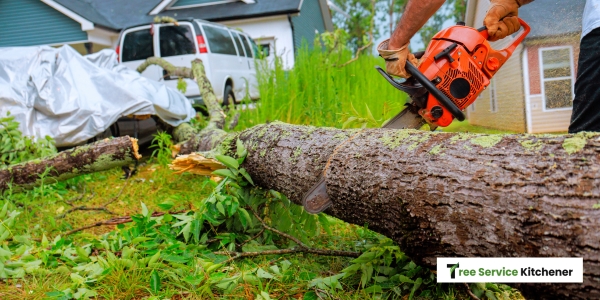
Emergency tree removal during summer and fall often cannot wait for optimal timing, but understanding seasonal impacts helps minimize collateral damage. Summer removals require additional care to protect surrounding vegetation from heat stress and equipment damage. Professional services adjust techniques during hot weather, scheduling work during cooler morning hours and providing immediate irrigation to stressed nearby plants.
Fall cleanup coordination creates opportunities for comprehensive property improvements. Combining tree removal with seasonal cleanup, landscape bed preparation, and new planting plans maximizes efficiency and minimizes disruption. Tree Service Kitchener often coordinates fall removals with spring planting installations, providing property owners with seamless transitions from problem trees to valuable landscape assets.
Disease and pest management considerations peak during summer months when active infestations become apparent. Trees showing signs of emerald ash borer infestation, Dutch elm disease, or other serious problems may require immediate removal regardless of season to prevent spread to healthy trees. Professional diagnosis during summer allows for strategic removal timing that balances tree health concerns with optimal work conditions.
Weather Patterns and Climate Considerations Specific to Kitchener
Kitchener’s continental climate creates specific challenges and opportunities that experienced arborists understand and plan around for optimal project timing. The city’s location in southwestern Ontario means dealing with lake-effect weather patterns, variable spring conditions, and winter temperature fluctuations that significantly impact tree work scheduling.
Spring timing variability in Kitchener can shift optimal transplanting windows by 2-4 weeks between years. Professional services monitor soil temperature, frost dates, and long-range weather forecasts to identify the precise timing for spring work. 2024’s early warm spell followed by late frost exemplifies why professional weather monitoring is crucial—trees that began transplant establishment during the warm period suffered severe setback when temperatures dropped below freezing again.
Kitchener’s clay soils create unique challenges that affect seasonal timing decisions. These soils drain slowly in spring, potentially delaying transplanting work by weeks compared to sandy soils. However, clay soils also retain moisture better during summer months, extending the viable season for certain types of tree work when proper irrigation is maintained.
Ice storm frequency in the Kitchener area means winter emergency tree services require specialized expertise and equipment. The February 2023 ice storm that left thousands without power highlighted the importance of immediate professional response. Tree Service Kitchener maintains emergency response capabilities year-round, with specialized equipment and trained crews available for hazardous tree removal during extreme weather conditions.
Urban heat island effects in Kitchener’s developed areas create microclimates that affect tree stress and optimal care timing. Downtown areas may experience temperatures 3-5 degrees higher than suburban locations, extending the growing season but also increasing summer stress. Professional services adjust timing recommendations based on specific property microclimates rather than relying solely on general seasonal guidelines.
Wind patterns associated with Lake Huron weather systems can create sudden hazardous conditions that override seasonal timing preferences. Professional arborists monitor weather forecasts and wind predictions to ensure safety during tree work operations. Complex removals near structures may be postponed even during optimal seasons if high winds are predicted, as safety always takes precedence over timing conveniences.
Tree Service Kitchener: Your Seasonal Timing Experts
Tree Service Kitchener has earned its reputation as the region’s leading arborist service by mastering the complex interplay between seasonal timing, local climate conditions, and optimal tree care practices. Unlike general contractors who treat tree work as a secondary service, Tree Service Kitchener specializes exclusively in arboriculture, bringing scientific understanding and practical experience to every project.
Tree Service Kitchener’s approach begins with thorough assessment of both your trees and your project goals. Rather than applying generic timing recommendations, they evaluate specific species, tree health, site conditions, and your schedule requirements to develop customized timing strategies. This personalized approach prevents the costly timing mistakes that plague DIY attempts and less experienced contractors.
Frequently Asked Questions (FAQs)
1. Do I need a permit for tree removal on private property in Kitchener?
Kitchener’s private property standards generally do not require permits for tree removal on your own land, unlike city-owned trees on boulevards or parks. However, check with the city if your tree exceeds certain sizes or is protected under local bylaws to avoid fines.
2. How can Tree Service Kitchener help with tree removal permits and compliance?
Tree Service Kitchener’s certified arborists handle all permit applications and compliance checks for tree removal in Kitchener, ensuring your project meets local regulations without delays. Contact them for expert guidance on Kitchener tree removal to avoid costly violations.
3. What signs indicate a tree needs immediate professional inspection?
Look for leaning trunks, cracked bark, fungal growth at the base, or dead branches in the canopy as urgent signs of structural failure. These issues often worsen quickly in Kitchener’s variable weather, requiring prompt evaluation to prevent property damage.
4. Are Tree Service Kitchener’s arborists certified for safe tree transplanting?
Yes, Tree Service Kitchener employs ISA-certified arborists specializing in tree transplanting, using advanced techniques tailored to Kitchener’s clay soils and climate. Their expertise ensures higher survival rates for your valuable trees during optimal seasons.
5. How do I identify if my tree has root rot or girdling roots?
Root rot shows as mushrooms or blackened roots near the soil line, while girdling roots circle the trunk tightly, restricting growth and stability. Professional diagnosis through soil probes or air spading confirms these hidden issues before they cause tree decline.
People Also Ask
1. How long does it take for a transplanted tree to fully recover?
Full recovery typically takes 1-3 years, depending on tree size, species, and care during the establishment phase. Consistent watering and mulching in the first two seasons accelerate root development and canopy regrowth.
2. Can I prune my own trees safely without professional help?
Light pruning of small dead branches is safe for most homeowners using proper tools, but large or structural cuts risk injury and tree damage. Professionals use ropes, harnesses, and biology knowledge to prune safely near power lines or structures.
3. What is the average cost range for stump grinding in Kitchener?
Stump grinding costs $150-$500 per stump, based on diameter, root spread, and accessibility in Kitchener’s urban lots. Larger stumps or those near foundations require specialized equipment, increasing the price.
4. How does soil pH affect tree health in Kitchener’s clay soils?
Kitchener’s clay often has high pH levels that lock nutrients, causing yellowing leaves or stunted growth in acid-loving trees like pines. Soil testing and amendments like sulfur lower pH for better nutrient uptake and vigor.
5. What insurance covers tree damage to my neighbor’s property?
Your homeowner’s liability insurance typically covers tree damage to neighboring properties if negligence like failure to address hazards is proven. Document regular inspections and maintenance to strengthen claims during disputes.
**Learn more about optimal tree transplanting timing from the University of Guelph’s Arboriculture Research Report: https://www.uoguelph.ca/arboretum/research**
Tags: Tree removal, tree transplanting, Kitchener, seasonal timing, arborists