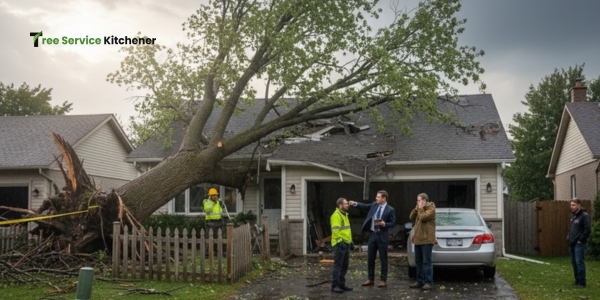
Picture this: You wake up to the sound of cracking wood and a thunderous crash. Looking outside, you see your 80-year-old maple tree sprawled across your neighbor’s fence, your driveway, and partially through your garage roof. Your first thought isn’t about the sentimental value of that majestic tree—it’s about the potential costs. Will insurance cover this? Who pays for the cleanup? What about the neighbor’s damage? In Kitchener’s increasingly unpredictable weather patterns, these scenarios are becoming all too common.
The reality is that tree-related insurance claims have surged 40% in Ontario over the past three years, with average claims reaching $8,500 per incident. Yet most homeowners remain unclear about what their policies actually cover, leaving them vulnerable to surprise expenses that can quickly escalate into five-figure costs. Understanding tree insurance isn’t just about protection—it’s about making informed decisions that can save your family from financial devastation when nature strikes. With storm frequency increasing and tree removal costs climbing, knowing the ins and outs of your coverage has never been more critical for Kitchener property owners.
What Your Homeowner’s Insurance Actually Covers (And What It Doesn’t)
The first thing every Kitchener homeowner needs to understand is that tree insurance coverage operates on specific conditions that determine whether you’re protected or left holding a massive bill. Your standard homeowner’s policy will typically cover property damage caused by a fallen tree, but the coverage for tree removal itself depends entirely on the circumstances surrounding the incident.
When You’re Covered: If a tree falls due to storm conditions like high winds, ice storms, or lightning and damages your home, garage, fence, or other insured structures, most policies will cover both the structural repairs and the tree removal costs. Additionally, if the fallen tree blocks essential access points like your driveway, wheelchair ramps, or main entrances, removal costs are usually covered up to policy limits.
Coverage Typically Includes:
- Structural damage repairs to your home, garage, sheds, and fences
- Personal property damage inside affected structures (furniture, electronics, belongings)
- Additional living expenses if your home becomes uninhabitable during repairs
- Debris removal when trees or branches have caused covered damage
- Emergency tree removal when blocking access for essential services or repairs
When You’re NOT Covered: Here’s where many homeowners get surprised. If a tree falls in your yard but doesn’t damage any structures or block access, you’re typically responsible for all removal costs. This can range from $800 for small trees to over $15,000 for large, complex removals in Kitchener’s urban settings.
Common Exclusions Include:
- Preventive tree removal (even for obviously dangerous trees)
- Trees that fall without causing damage to insured property
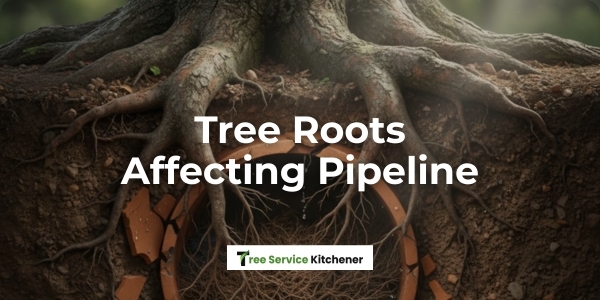
- Gradual damage from root growth or overhanging branches
- Tree maintenance and pruning costs
- Landscaping restoration beyond minimal coverage limits
Coverage Limits Matter: Most policies cap tree removal coverage between $500-$1,500 per incident, which often covers only a fraction of actual removal costs for mature trees. Understanding these limits helps you budget for potential out-of-pocket expenses.
Neighbor vs. Your Tree: Understanding Liability Rules
One of the most confusing aspects of tree insurance involves liability when trees cross property lines. In Ontario, the general rule is that each property owner’s insurance covers damage to their own property, regardless of where the tree originated—but there are important exceptions that could leave you liable for significant costs.
The Standard Rule: If your healthy tree falls due to a storm and damages your neighbor’s property, their homeowner’s insurance typically handles their repairs and cleanup costs. Similarly, if their tree falls on your property, your insurance responds. This “no-fault” approach simplifies most tree damage situations and prevents neighbor disputes.
When Liability Kicks In: You become financially responsible when negligence is involved. If you’ve been warned about a dangerous tree—whether by an arborist, your neighbor, or municipal inspector—and failed to take action, you could be held liable for any resulting damage. This liability can extend to property damage, personal injury, and even wrongful death in extreme cases.
Warning Signs That Create Liability:
- Visible signs of disease or decay that you’ve ignored
- Dead or dying branches overhanging neighbor’s property
- Professional recommendations for removal that you’ve dismissed
- Municipal notices about hazardous trees
- Previous incidents with the same tree
Protecting Yourself from Liability: The best protection is documentation. Keep records of professional tree assessments, maintenance work, and any communications about tree health. If a certified arborist recommends removal or treatment, act promptly and keep detailed records. Many insurance companies now offer liability protection specifically for tree-related incidents, which can be valuable for properties with mature trees.
Municipal Considerations: Kitchener’s tree bylaws add another layer of complexity. Some trees are protected and require permits for removal, while others may be designated as hazards requiring immediate action. Understanding your local requirements helps you navigate both insurance coverage and legal compliance.
Storm Damage vs. Gradual Issues: Coverage Differences
Insurance companies make critical distinctions between sudden storm-related tree damage and gradual issues that develop over time. Understanding these differences can mean the difference between full coverage and complete denial of your claim.
Sudden and Accidental Events (Usually Covered): Storm damage, lightning strikes, ice accumulation, and high winds that cause immediate tree failure are typically covered perils. These events are considered “acts of nature” beyond your control, making them insurable risks under standard homeowner’s policies.
Examples of Covered Storm Damage:
- Wind storms exceeding local weather service warnings
- Ice storms causing branch or trunk failure
- Lightning strikes that damage or kill trees
- Tornado damage (rare but possible in Kitchener area)
- Heavy, wet snow causing structural tree failure
Gradual Issues (Usually NOT Covered): Problems that develop slowly over months or years are considered maintenance issues rather than insurable perils. This includes most disease processes, pest damage, and normal aging that weakens trees over time.
Examples of Excluded Gradual Problems:
- Dutch elm disease and other fungal infections
- Emerald ash borer and pest-related tree death
- Root rot from poor drainage or soil conditions
- Construction damage to root systems from nearby building projects
- Soil compaction and grade changes affecting tree health
The Gray Areas: Some situations fall between sudden and gradual, creating coverage disputes. For example, a tree weakened by drought that falls during a minor windstorm might be denied coverage if the insurer determines the underlying condition was the primary cause rather than the weather event.
Documentation Strategy: To strengthen your position for potential claims, document tree health regularly with photographs and professional assessments. If a storm damages a tree you knew was compromised, having evidence of its previously healthy condition can support coverage arguments.
Preventive Measures: While insurance won’t cover preventive tree care, investing in regular maintenance can prevent gradual issues from developing into coverage gaps. A $300 annual tree health assessment can identify problems while they’re still manageable and insurable, rather than waiting until they become expensive exclusions.
The key insight is that timing matters enormously in tree insurance. The same tree failure can be fully covered or completely excluded based solely on whether the primary cause is deemed sudden or gradual.
Emergency vs. Routine Tree Services: Insurance Implications
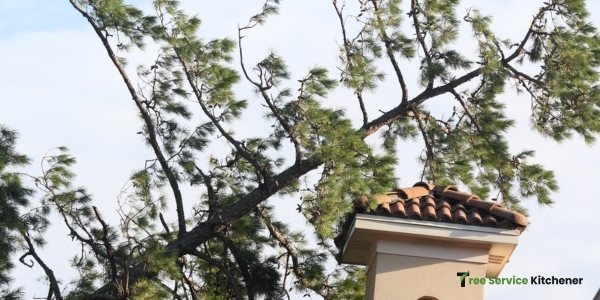
Understanding the difference between emergency and routine tree services can dramatically impact your insurance coverage and out-of-pocket costs. Insurance companies evaluate tree service claims based on necessity and urgency, not simply the size of the tree or complexity of removal.
Emergency Services (Often Covered): When trees create immediate safety hazards or prevent access to essential services, insurance typically covers removal costs up to policy limits. Emergency situations are defined by imminent risk rather than convenience.
Covered Emergency Situations:
- Trees blocking driveways or preventing vehicle access
- Branches on power lines creating electrical hazards
- Trees leaning against homes with risk of additional damage
- Blocked emergency access routes for fire or medical services
- Immediate structural threats to buildings or occupied areas
Routine Services (Not Covered): Regular maintenance, aesthetic improvements, and preventive care remain the homeowner’s responsibility regardless of tree size or removal complexity.
Non-Covered Routine Services:
- Pruning for appearance or growth control
- Preventive removal of healthy trees
- Stump grinding and landscaping restoration
- Tree removal for construction projects
- Cleanup of branches that haven’t caused damage
The Timing Factor: Emergency tree services often cost 100-200% more than routine work due to urgent scheduling, specialized equipment needs, and safety considerations. However, waiting for regular scheduling might result in additional damage that insurance won’t cover if you could have reasonably prevented it.
Best Practices for Kitchener Homeowners: Build relationships with certified arborists before you need emergency services. Having a professional assessment of your trees’ condition provides documentation that supports insurance claims and helps you prioritize which trees need preventive attention versus waiting for coverage opportunities.
Professional Documentation: When emergency services are needed, ensure your tree service provider documents the hazardous conditions that necessitated immediate action. This documentation supports insurance claims and demonstrates reasonable response to dangerous situations.
Maximizing Your Coverage: Practical Steps for Kitchener Homeowners
Smart homeowners take proactive steps to optimize their tree insurance coverage while minimizing out-of-pocket risks. The goal isn’t just understanding your current policy, but positioning yourself for the best possible outcomes when tree-related incidents occur.
Review and Upgrade Your Policy: Start by examining your current homeowner’s insurance policy details. Many standard policies provide minimal tree coverage that hasn’t kept pace with rising removal costs in the Kitchener market. Consider upgrading to higher coverage limits or adding specific tree damage riders if available.
Key Coverage Elements to Verify:
- Debris removal limits (aim for $5,000+ per incident)
- Additional living expense coverage if trees damage your home
- Personal liability limits for neighbor damage situations
- Outbuilding coverage for garages, sheds, and other structures
- Landscape restoration benefits beyond basic tree removal
Create a Tree Inventory: Document your property’s trees with photos, approximate ages, species identification, and location relative to structures. This inventory supports insurance claims and helps you prioritize maintenance investments. Include estimated replacement values for mature trees, as some policies offer limited coverage for landscape restoration.
Maintain Professional Documentation: Annual tree health assessments by certified arborists create valuable documentation for insurance purposes. These reports demonstrate responsible property maintenance while identifying potential problems before they become coverage exclusions.
Build Emergency Service Relationships: Establish relationships with reputable tree service companies before you need them. Having pre-negotiated pricing for emergency services can save money and ensure faster response when time-sensitive situations arise.
Financial Preparation Strategy: Since insurance coverage has limits and exclusions, maintain an emergency fund specifically for tree-related expenses. A fund containing $2,000-5,000 can cover most tree incidents while insurance handles major damage claims.
Communication with Insurance Providers: Report tree damage immediately, even if you’re unsure about coverage. Early reporting demonstrates good faith and allows insurers to guide you through their preferred claims process. Take extensive photos before any cleanup begins to document the full extent of damage and debris.
The Future of Tree Insurance: Trends and Considerations for 2025
The tree insurance landscape is evolving rapidly in response to climate change, increased storm frequency, and rising tree service costs. Understanding these trends helps Kitchener homeowners make informed decisions about coverage and risk management strategies.
Climate-Driven Coverage Changes: Insurance companies are increasingly using weather data and climate projections to adjust coverage terms and pricing. Properties with mature trees in high-wind zones or areas prone to ice storms may see coverage limitations or higher premiums.
Technology Integration: Some insurers now offer discounts for homeowners who use technology to monitor tree health and weather conditions. Smart sensors that detect tree movement or environmental stress may become standard tools for demonstrating proactive risk management.
Preventive Care Incentives: Forward-thinking insurance companies are beginning to offer credits or discounts for documented preventive tree care. Regular professional assessments, appropriate pruning, and hazard tree removal may soon qualify for premium reductions.
Regional Risk Assessments: Insurers are developing more sophisticated local risk models that consider Kitchener’s specific weather patterns, soil conditions, and urban forest characteristics. This localized approach may result in more accurate pricing but could also highlight previously underestimated risks.
Enhanced Coverage Options: New insurance products specifically designed for tree-related risks are emerging, offering coverage for situations traditionally excluded from homeowner’s policies. These might include preventive removal coverage for trees deemed hazardous by certified professionals.
Legal and Regulatory Changes: Ontario’s approach to tree-related liability and insurance coverage continues evolving. Stay informed about changes to municipal tree bylaws, insurance regulations, and liability standards that might affect your coverage or responsibilities.
Investment in Tree Health: The most effective long-term strategy remains investing in professional tree care that prevents problems rather than waiting to manage insurance claims. Healthy, well-maintained trees are not only less likely to cause damage but also more likely to qualify for favorable insurance treatment when incidents do occur.
Kitchener Tree Service Expert
Tree insurance protection requires understanding both your policy’s specific coverages and limitations, proactively maintaining your trees, and documenting all related conditions and actions. By staying informed on your coverage terms and building strong relationships with arborists and reputable tree service providers, Kitchener homeowners can minimize unexpected costs and navigate claims with confidence when tree-related incidents occur.
Protect your home and investment by reviewing your current insurance policy today. Contact a certified arborist for a professional tree health assessment, and consider partnering with our expert tree service team for reliable maintenance and emergency support tailored for Kitchener homeowners. Get in touch now to safeguard your property from costly tree damage before the next storm hits.
FAQs
- Does homeowner’s insurance cover tree damage to vehicles on my property?
Most standard homeowner’s policies do not cover damage to your vehicle caused by fallen trees. Vehicle damage usually falls under your auto insurance policy, so confirming coverage with both insurers is essential. - Can I add specific tree insurance coverage to my existing homeowner’s policy?
Yes, many insurers offer riders or endorsements that enhance tree coverage limits and include benefits like preventive tree removal. Speak with your insurance agent to customize coverage suited to your property’s risks. - Why should I hire a certified arborist before tree removal?
Certified arborists provide expert assessments to identify hazardous trees accurately, document conditions for insurance claims, and ensure compliance with municipal regulations. This helps you avoid liability and unexpected costs. - How often should I have my trees professionally inspected?
An annual tree health assessment is recommended, especially for mature trees or properties in storm-prone areas like Kitchener. Regular inspections help catch issues early, potentially improving insurance eligibility. - What makes your tree services stand out for Kitchener homeowners?
We provide comprehensive tree assessments, emergency removal, and maintenance services with detailed documentation for insurance claims. Our team understands local bylaws and offers fast, professional support to minimize your risks and costs.
People Also Ask
- How do municipal tree bylaws affect insurance claims in Kitchener?
Municipal bylaws may restrict tree removal or require permits, which can complicate insurance claims if not followed. Knowing and complying with local regulations helps ensure you remain eligible for insurance coverage and avoid fines. - What is the difference between tree removal and stump grinding in insurance terms?
Tree removal is often partially covered when caused by sudden damage, but stump grinding and landscaping restoration are typically excluded, requiring homeowners to pay out-of-pocket. - Can I file an insurance claim if a tree damages a fence but not my house?
Coverage for fences depends on your policy limits and terms; some policies cover fence damage caused by insured perils, but removal costs may have separate limits or exclusions. - Are there insurance discounts for proactive tree care?
Some insurers now offer premium reductions or credits for documented tree maintenance and hazard mitigation, rewarding homeowners who invest in preventive care. - What steps should I take immediately after tree damage to strengthen my insurance claim?
Document the damage thoroughly with photos, keep professional assessments, notify your insurer promptly, and avoid removing debris until inspected, unless it poses safety risks.